How to Start Homeschooling in Maryland: A Simple Step-by-Step Guide
If you’re thinking about homeschooling in Maryland, take a breath — it is absolutely legal, thousands of us do it, and the process to get started is more straightforward than it looks. I homeschool my four kids right here in Maryland (a 4th grader, a 2nd grader, a 1st grader, and a preschooler), and in this guide I’ll walk you through exactly how to begin, in plain English.
Is homeschooling legal in Maryland?
Yes. Homeschooling is legal in all 50 states, and Maryland’s rules are set out in COMAR 13A.10.01 (the state’s home instruction regulations). Maryland is considered a “moderate regulation” state — there’s a little paperwork and some oversight, but nothing you can’t handle.
In Maryland, compulsory school attendance runs from age 5 through 18. So once your child turns 5, the state expects them to be enrolled in school or formally homeschooled.
The two ways to homeschool in Maryland
This is the part that confuses most new families, so let’s make it simple. Maryland gives you two options for oversight, and you pick the one that fits your family:
Option 1: Portfolio review through your local school system
You notify your county school system that you’re homeschooling, you teach your kids yourself, and a reviewer from the school system meets with you up to three times a year to look through a portfolio of your child’s work and confirm you’re providing “regular, thorough instruction.”
- Free — no cost to you
- You keep full control of curriculum and schedule
- You’ll meet with a county reviewer (usually twice a year) and show samples of work
Option 2: Umbrella / church-exempt supervision
Instead of the county, you register under an approved umbrella organization (often a church-based or private homeschool supervisor). They review your work and handle the oversight, so you never meet with the public school system.
- More privacy — no county reviews
- Often includes support, community, and sometimes curriculum
- Usually has a yearly fee and its own requirements (like conferences or check-ins)
Which should you choose? If you’re comfortable meeting a friendly county reviewer twice a year and want to keep it free, the portfolio option is great. If you’d rather have privacy and built-in support (and don’t mind a fee), an umbrella program is worth it.
Currently, we choose to go the county route as it’s been super easy for us. The reviewers have always been nice and supportive. But, we have friends that choose the umbrella route, which is great if you’re first starting out and have lots of questions too!
How to start homeschooling in Maryland: step by step
- If your child is currently in public school, withdraw them. Send a short written notice to the school letting them know your child will be homeschooled. (Don’t just stop sending them — you want it on record.)
- File your Notice of Consent. Submit the state’s home-instruction notification form to your local superintendent or homeschool liaison at least 15 days before you begin. You renew this each year.
- Pick your oversight option — county portfolio review or an umbrella program (see above).
- Choose your curriculum. You don’t need anything fancy to start (more on what we use below).
- Start teaching and keep samples. Save a bit of work from each subject as you go — that becomes your portfolio. I also suggest dating work or keeping a planner with what was done each day. This helps show your “regular instruction”
What subjects does Maryland require?
Your instruction needs to cover these subject areas:
- English
- Math
- Science
- Social studies
- Art
- Music
- Health
- Physical education
Good news: there’s no set number of hours or days in Maryland. The regulation simply says instruction should happen “on a regular basis during the school year” and be thorough. That gives you real freedom to build a rhythm that works for your family.

What to expect at a portfolio review
If you go the county route, the review is usually low-key. You’ll bring a folder (or binder) with samples of your child’s work across the required subjects — worksheets, writing, photos of projects, a reading list, maybe a few tests. The reviewer flips through, chats with you, and confirms you’re on track. That’s it. Keeping a simple record as you go makes this painless.
They are not legally aloud to test your child, or ask your child different things at the review. To make it easy, most parents do not bring their children to the actual review.
Some counties offer reviews over video calls. Ours does and I schedule the zoom call with the reviewer. I can send in pictures of work ahead of time if desired or I just usually grab a stack of whatever we have been working on and show them.
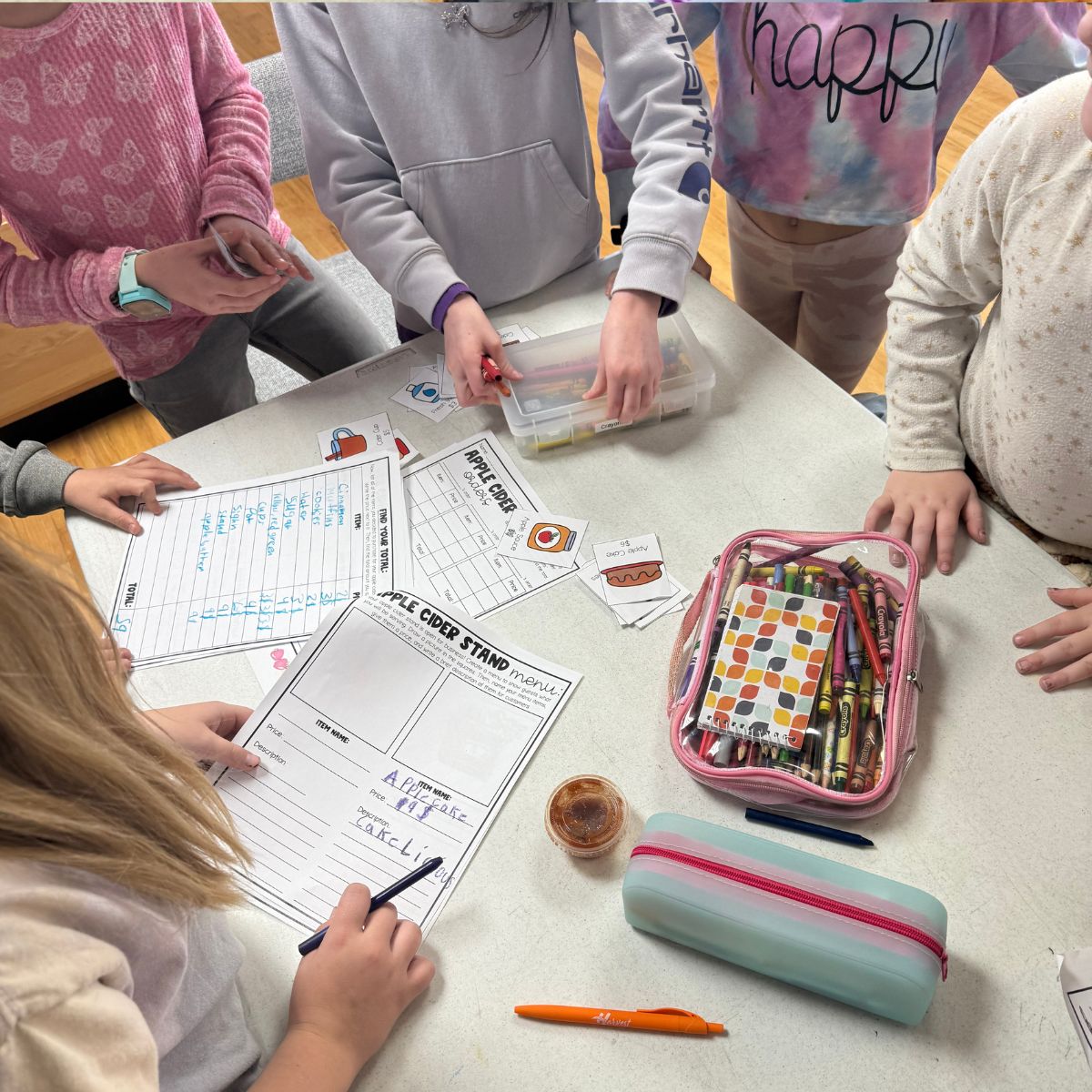
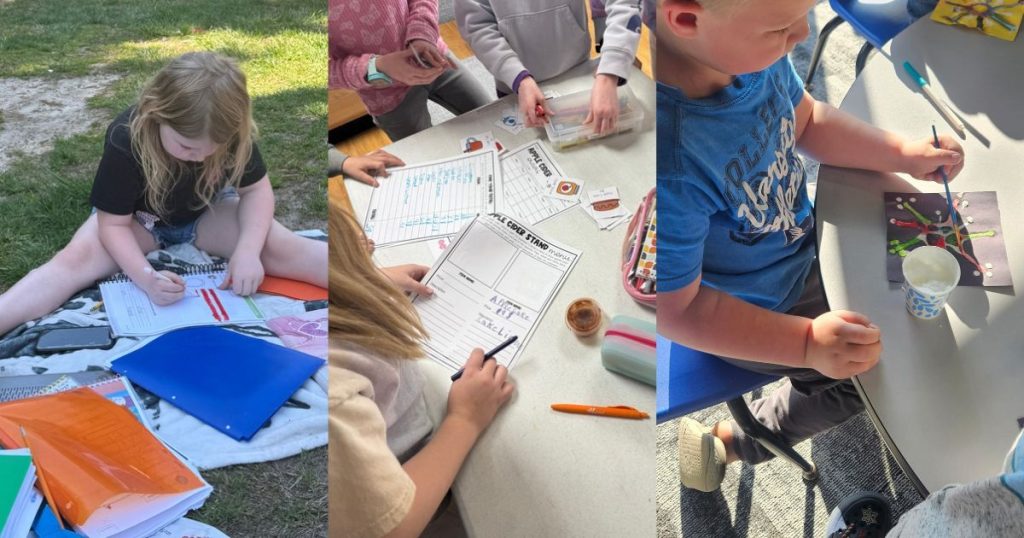
Sometimes the kids have special activities they like to share with them (or have me share). While this is not required, it helps my kids feel involved and truly, they love homeschooling and love sharing what they’ve been learning.
What we actually use in our Maryland homeschool
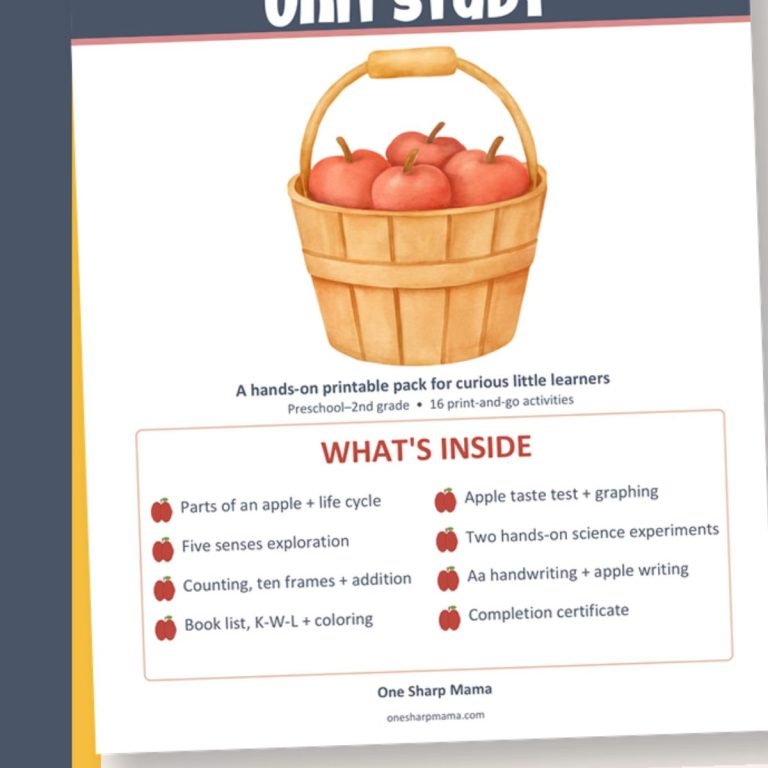
People always ask what curriculum to use, so here’s what’s on our shelf this year, tailored a little differently for each kid (and this changes each year): The Good and the Beautiful, BJU Press, Alpha Omega LifePacs, and a few unit studies we do all together. I’ll be sharing honest reviews of each of these — what’s working, what I’d change — so keep an eye on the site for more info.
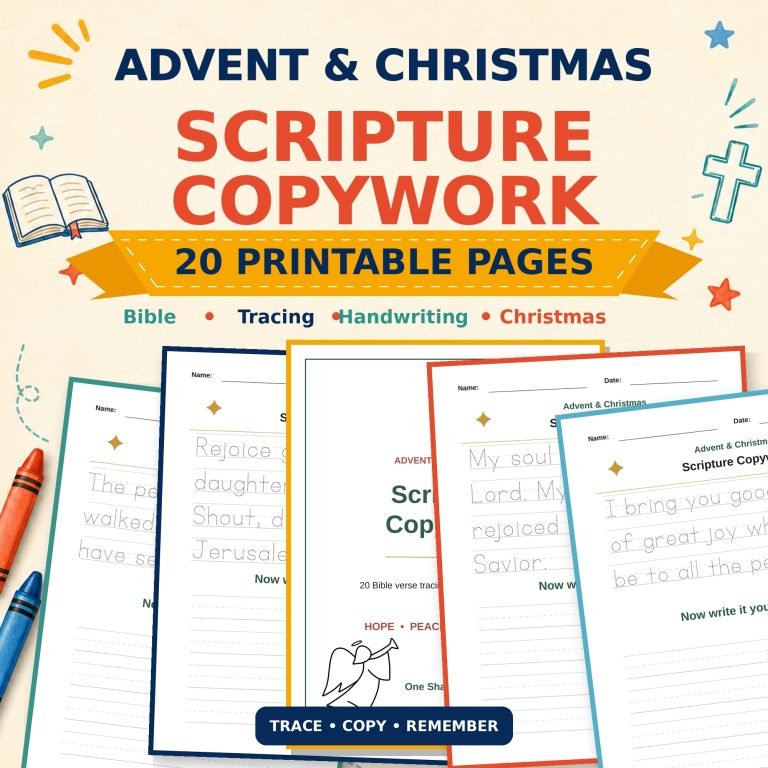
Each day we make sure we do the absolute basics at the very least- some kind of reading, math, and handwriting. We have a bunch of handwriting printables that we rotate through when we don’t have anything specific we are working on.
Bible Verses are always hit, but, sometimes we just need simple alphabet copy handwriting practice and it’s good for all ages.
Frequently Asked Questions
Do I need to be a certified teacher? No. Maryland does not require any teaching certification or degree to homeschool your own children.
Can my homeschooler still do sports or activities? Many co-ops, sports leagues, and community programs welcome homeschoolers — and there’s a big homeschool community across Maryland.
Our kids have always been involved in sports and have had no problem finding one they want to try out.
What about high school and a diploma? As the parent, you issue the diploma when your student finishes their course of study. (I made a printable homeschool diploma pack for exactly this.)
You’ve Got This
Starting is genuinely the hardest part, and you’re already doing it by reading up. File the notice, pick your option, and begin. You can adjust everything else as you go. If it would help, I’m putting together a free Homeschool Starter Kit (a simple schedule, a first-week planner, and a supply list) It will be ready soon!
Please note: I’m a homeschooling mom sharing what I’ve learned, not a lawyer. Homeschool regulations can change and can vary by county, so always confirm the current requirements with your local school system, the Maryland State Department of Education, and HSLDA before you begin.